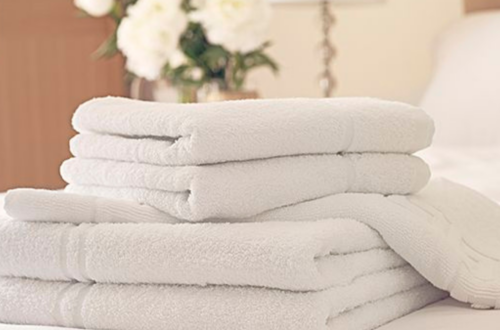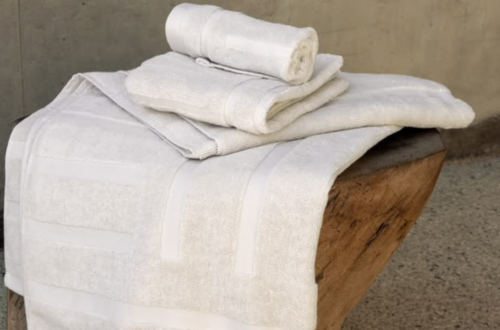

Bath linens are one of those purchases that seem simple until you actually start comparing options, and then you realize there are more variables than you expected. Whether you are a hotel owner stocking up for 200 rooms, a hospital administrator replacing worn-out towels, or a spa manager looking for something that feels premium without breaking the budget, the decisions you make about bath linens directly affect guest satisfaction, operating costs, and brand perception. If you are sourcing fromhotel linen manufacturers in India or buying for a smaller property, this bath linens buying guide will help you ask the right questions before placing that order.
Start with the fabric, not the price
The fabric determines everything else about the towel, from how it feels against skin to how many wash cycles it can survive before it starts falling apart. Most buyers default to cotton because it is familiar, but the type of cotton you choose matters far more than just seeing the word on the label.
100% combed cotton has become the industry standard for hotels and spas because the combing process removes shorter fibres from the yarn, leaving behind longer and stronger strands that produce a smoother and noticeably softer finish. Ring-spun cotton takes this a step further by twisting the fibres tightly, which adds durability without sacrificing that softness guests expect when they reach for a towel after a shower. Blended fabrics like cotton-polyester cost less upfront, but they absorb less water and feel rougher after repeated washing, which makes them a poor fit for any hospitality setting where guest comfort is part of what you are selling.
Thread count and GSM are not the same thing
This is a common point of confusion in any bath linens buying guide, and it trips up a lot of first-time buyers. Thread count is the metric that matters for sheets, but for towels, the number you should be paying attention to is GSM, which stands for grams per square metre and tells you how dense and heavy the fabric actually is.
- Towels in the 300 to 400 GSM range are lightweight and dry quickly, which makes them a good fit for gyms, poolside areas, and situations where fast turnover matters more than a plush feel.
- Towels in the 400 to 600 GSM range hit the sweet spot for most hotels and spas because they feel substantial without being so heavy that they become difficult to launder efficiently at volume.
- Towels above 600 GSM feel thick and luxurious, but they take longer to dry, consume more water and detergent per wash cycle, and wear out faster under commercial laundry stress.
Understanding the things to consider before buying bath linens starts with matching the GSM to your actual use case rather than assuming heavier automatically means better.
Absorbency and loop construction
A towel that looks premium but fails to absorb water properly is going to frustrate every guest who uses it. Absorbency depends on fibre quality, loop construction, and whether the towel has been treated with fabric softeners during manufacturing, because those softeners can coat the fibres and reduce their ability to wick moisture from the skin.
Double-loop weave towels, where the loops on both sides of the fabric are raised, outperform single-loop alternatives because they create more surface area for water absorption. If you are sourcing from bulk hotel linen suppliers, ask whether the towels are pre-washed before shipping to remove chemical finishes that might interfere with absorbency, because many commercial towels need two or three full wash cycles before they reach their actual absorption potential.
Durability under commercial laundering
A towel that holds up beautifully in a home bathroom can start falling apart within weeks inside a hotel laundry that runs at 70 degrees Celsius with industrial-grade detergents. The things to consider before buying bath linens for any commercial setting should always include asking how the fabric performs under high-temperature washing, chemical bleaching, and tumble drying at scale.
Towels with reinforced edges, double-stitched hems, and tightly woven borders will outlast cheaper alternatives by a wide margin over a 12-month period. When you are evaluating bulk hotel linen suppliers, request wash-test reports or sample towels that you can run through your own laundry cycles before committing to a large order, because how a towel performs after 50 washes tells you far more than how it feels fresh out of the packaging.
Sizing and customization for your property
Bath linen sizes are not nearly as standardized as most buyers assume, and the right dimensions depend on the kind of property you are running. A luxury resort may need oversized bath sheets at 90 x 180 cm that wrap fully around a guest, while a budget hotel can work well with standard 70 x 140 cm towels that are easier and cheaper to launder in volume. Working with custom hotel linen manufacturers gives you the flexibility to specify exact dimensions, weights, and finishes rather than settling for off-the-shelf sizes that may not match your bathroom layouts.
For hospitality brands that care about visual consistency, the best custom hotel linen manufacturers can match specific Pantone colours for dyed towels, weave your logo into the fabric using jacquard techniques so it does not peel or fade, add custom labels and packaging, and maintain quality standards across separate production batches so that towels arriving at different properties look and feel identical.
Do not overlook the supply chain
Finding the right towel at the right price only solves half the problem, because if your supplier misses a delivery deadline during peak season or cannot scale up when you expand, you are left scrambling with whatever stock you can find at short notice. Before committing to any supplier, find out how much they can produce per month, what their minimum order quantities look like, how long custom orders take from confirmation to dispatch, and whether they have supplied to properties that operate at a similar scale to yours.
It is also worth understanding whether the manufacturer you are talking to actually makes the towels themselves or whether they are a trading company that places orders with different factories depending on the batch size. The difference matters because a manufacturer who controls the process from yarn to finished towel can spot a quality problem at the weaving stage and fix it before it reaches your property, while a trading company often only sees the finished product after it has already been stitched and packed by someone else.
How KKR Linens works with hospitality clients
KKR Linens is not a reseller or a trading company, they manufacture everything in-house at their own facilities in Karur and Erode, Tamil Nadu. The yarn comes in at one end and finished, packaged bath towels, hand towels, face towels, and bath mats come out the other end without the production ever leaving their premises. They use 100% cotton with a double-loop weave across their bath linen range, and because they run 40 imported Sulzer looms alongside over 100 Juki sewing machines, they can take on large hospitality orders without the kind of delays you run into when a supplier has to coordinate between multiple outside factories.
What sets them apart from many suppliers in the Karur textile cluster is that they test every production batch three times before it ships, checking for how the fabric reacts against skin, how much it shrinks after washing, whether it holds up under the conditions of a commercial laundry, and whether the finish stays soft after repeated use. They currently work with hotels, hospitals, spas, and salons across India, and they handle international shipments to hospitality clients in the Maldives, Sri Lanka, Seychelles, and parts of Africa, so the logistics side is not new territory for them. If you need custom embroidery, branded labels, or towels made to non-standard dimensions, their setup handles all of that without outsourcing any part of the process.
Make the decision that pays off long term
The cheapest towels on your quotation sheet will almost always end up being the most expensive ones over 12 months, because they fray faster, guests notice the difference, and you find yourself reordering sooner than you had budgeted for. Spending a bit more per unit on well-made bath linens from a manufacturer who controls their own production works out better over time, both for towel longevity and for the reviews guests leave after checkout. If you are looking for trustedhotel bed sheet suppliers who also handle bath linens built for commercial demands, KKR Linens is worth reaching out to, especially if you need custom specifications at volume without the uncertainty of sourcing through resellers.