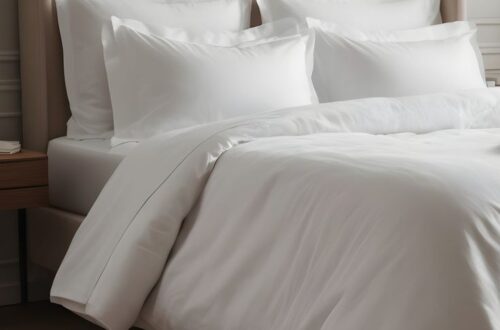

Guests rarely mention the thread count, but they always remember how they slept. Premium hotel bedding differs from regular bedding in fibre quality, weave, finishing, construction and the ability to survive repeated commercial laundering. A fabric that feels pleasant at a store counter can behave very differently after fifty industrial washes, and that gap is what separates a premium product from an ordinary one. For hotels, the bed is also the one item every guest uses, so small quality differences show up quickly in reviews and repeat bookings.
This blog explains each difference, shows how to compare options and outlines how hotel buyers can choose with confidence. Properties planning a stock refresh can begin by speaking with a reliable hotel linen supplier who can match fabric and finish to the property’s category.
Why Hotel Bedding Is a Different Product
A sheet at home is washed weekly and used by one household. A hotel sheet is washed after almost every checkout, often in industrial machines with strong detergents, high temperatures and heavy mechanical action. It must feel soft and crisp on day one and still look presentable after many cycles.
Premium hotel bedding therefore has to deliver guest comfort and commercial durability together. Regular bedding usually only needs to deliver the first.
Fibre Quality
Fibre decides how a sheet feels and how long it lasts. Long-staple cotton spins into smoother, stronger yarn, which gives a soft surface and resists pilling. Short-staple cotton, common in budget bedding, breaks more easily and produces rough fabric and lint. Cotton-polyester blends are popular in hotels because they resist creasing and dry faster, which helps laundry efficiency.
Premium bedding starts with better fibre because every later stage depends on it. A weak fibre cannot be rescued by fine finishing, while a strong one gives the mill far more room to produce a fabric that stays smooth through hundreds of washes.
Yarn and Weave
Many buyers focus on thread count, but a high number can come from thin, low-quality multi-ply yarn that looks dense on a label and wears poorly. The quality of the yarn, the weave and the balance between them matter more.
Percale is a plain weave that feels light, crisp and cool, which suits warmer climates. Sateen has a smooth, silky surface and subtle sheen, with a richer feel but slightly more delicate wear. Satin stripe and damask styles give duvet covers and pillow cases a visible upscale finish. The best choice depends on climate, brand style and laundry process.
Fabric Weight and Hand Feel
Premium hotel linen has a dependable weight and a firm, even hand. It drapes cleanly over the mattress without feeling thin or stiff. Very light fabric looks tired quickly, while overly heavy fabric is harder to wash and dry. Good suppliers balance these factors so the sheet feels substantial yet finishes well in the laundry.
Finishing Processes
Much of the difference is hidden in finishing. Premium fabrics generally go through:
- Singeing to remove surface fuzz
- Mercerising to improve strength, lustre and dye uptake
- Bio-polishing or similar treatments to reduce pilling
- Shrinkage control so sizes stay accurate after washing
Poorly finished fabric may look fine when new and then shrink, twist or pill after a handful of washes.
Construction and Stitching
Details separate good linen from average linen. Look for even, tight stitching along hems, reinforced stress points at pillow case openings and duvet closures, accurate sizing that fits your mattress depth, and consistent corners with no puckering. These features seem minor until a seam splits or a fitted sheet slips off in the middle of the night.
Whiteness and Colour Retention
White linen is the hotel standard and the hardest to keep fresh. Premium bedding uses better bleaching, processing and fibre so it holds whiteness through repeated hot washes. For coloured or patterned items, colour fastness matters equally, because fading makes a room look dated.
Durability and Cost Per Wash
Premium bedding usually costs more upfront, yet the real measure is cost per use. A cheaper set wears out early and has to be replaced more often, resulting in additional costs for purchase, storage and handling. A better made set looks presentable longer and provides a consistent guest experience. When comparing quotes, ask for expected wash life under commercial laundry conditions and not only the unit price.
Housekeeping teams also notice the difference. Linen that holds its shape and resists staining is faster to fold, make and replace, which saves labour over a full year of operations.
The Complete Bed Setup
A hotel bed feels premium partly because of how it is layered. A quality mattress protector, well-finished fitted and flat sheets, a duvet in a properly sized cover, matching pillows with consistent fill and a final design element such as a runner all contribute. Even excellent sheets cannot rescue a bed with mismatched pillows or a tired duvet, so premium properties treat the bed as one system.
Consistency Across Batches
Guests notice inconsistency. If one room has crisp white sheets and another has greyer, softer ones, the brand suffers. Premium suppliers hold tighter control over fabric, size and finish across production batches, so a reorder next year matches this year’s stock. This is especially important for larger properties and chains, where hundreds of rooms must look and feel the same.
Regular and Premium Bedding Compared
Put side by side, the two categories differ at almost every stage. Regular bedding often relies on short-staple cotton or low-grade blends, receives basic finishing and is designed for home use, so it tends to fade, pill and lose its shape sooner under commercial laundering. Premium hotel bedding uses long-staple cotton or well-engineered blends, goes through singeing, mercerising and shrinkage control, and is built to handle repeated industrial washing while holding its whiteness, colour and surface. It is also produced with tighter batch consistency, because its purpose goes beyond comfort and extends to guest satisfaction and brand image.
How to Buy Smarter
Define the property’s category and guest profile first. Request fabric samples and test them through your own laundry. Check weave, weight, finishing and shrinkage specifications, and confirm that sizing matches your mattresses. Compare cost per wash, and make sure the supplier can maintain quality on repeat orders.
Supply You Can Trust
KKR Linens provides hotel and hospitality linen including bedding and related textiles for hotels and similar establishments. The company focuses on quality fabric and dependable supply for commercial use.
A good supply partner provides samples, specifications and consistent delivery, which makes planning and budgeting far easier for hotel teams.
Choosing Better Bedding
Premium hotel bedding earns its price through better fibre, thoughtful weave, careful finishing, strong construction and long wash life. Together these produce a bed that guests remember and a linen inventory that stays presentable for longer. If you are updating room stock, start with a clear specification and work with trusted hotel bed sheet suppliers who can show samples, test data and a consistent supply record.